
 Image 1 of 1
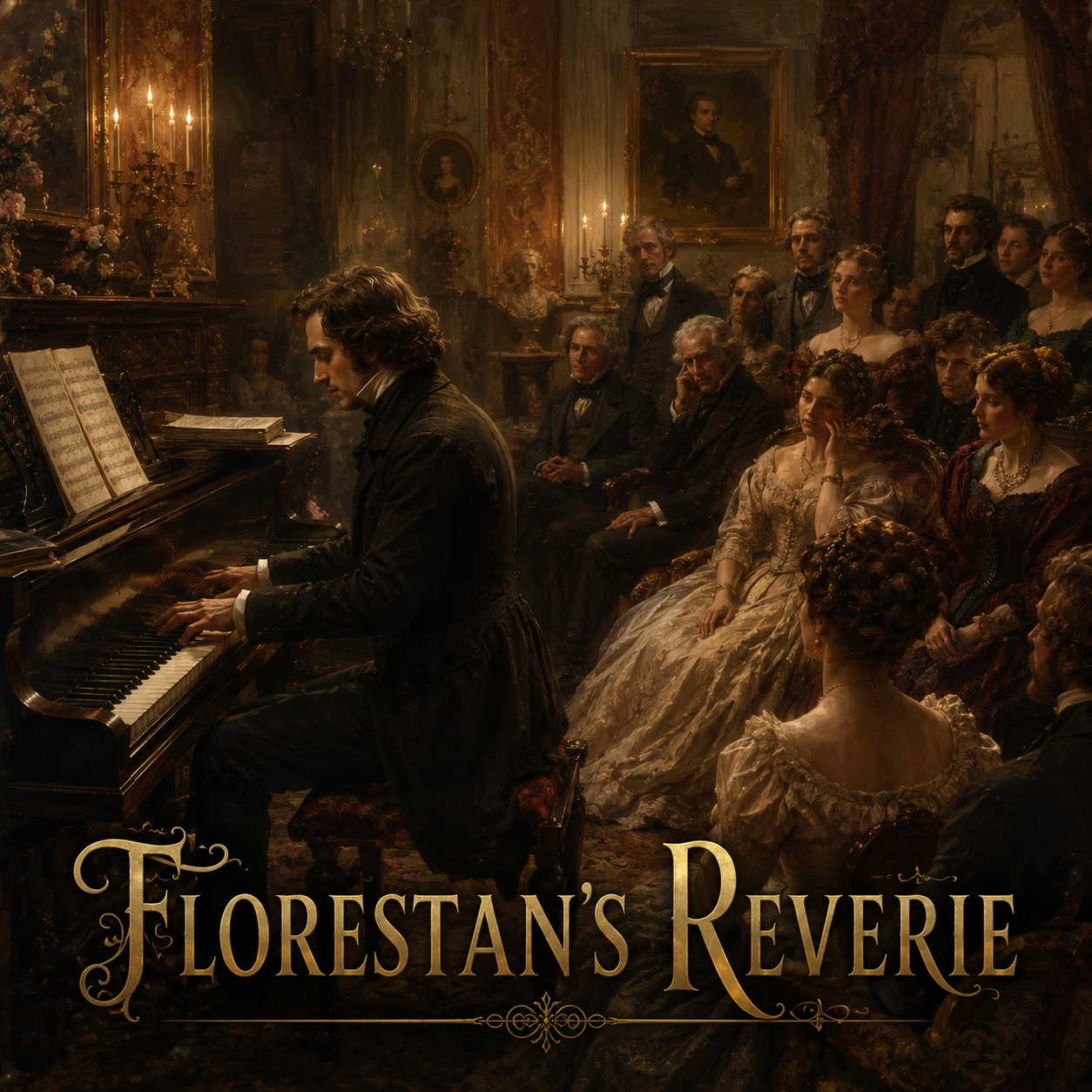
Like his musical output, Robert Schumann’s inner life was characterized by intense contrasting emotions. He used fictional alter-egos to express these in literary contexts, which found expression in the dynamism of his compositions. Florestan represented a dramatic, intense, and passionate character, impulsive and rash, whereas Eusebius portrayed a dreamy introvert, deeply sensitive, contemplative, and internally expressive.
Born a generation later, Antonín Dvorák studied and admired Schumann’s German vocal music extensively, which deeply influenced his melodic style. Furthermore, Dvorák’s mentor and professional advocate was the famous Johannes Brahms, who had been discovered and catapulted to success by Robert Schumann. Dvorák’s music thus represents a synthesis of Germanic structures and harmonies flavored with a Czech sensibility; paying homage to his musical idols and his cultural background.
Like his musical output, Robert Schumann’s inner life was characterized by intense contrasting emotions. He used fictional alter-egos to express these in literary contexts, which found expression in the dynamism of his compositions. Florestan represented a dramatic, intense, and passionate character, impulsive and rash, whereas Eusebius portrayed a dreamy introvert, deeply sensitive, contemplative, and internally expressive.
Born a generation later, Antonín Dvorák studied and admired Schumann’s German vocal music extensively, which deeply influenced his melodic style. Furthermore, Dvorák’s mentor and professional advocate was the famous Johannes Brahms, who had been discovered and catapulted to success by Robert Schumann. Dvorák’s music thus represents a synthesis of Germanic structures and harmonies flavored with a Czech sensibility; paying homage to his musical idols and his cultural background.